Watermeon: A Typeface That Captures the Essence of Summer
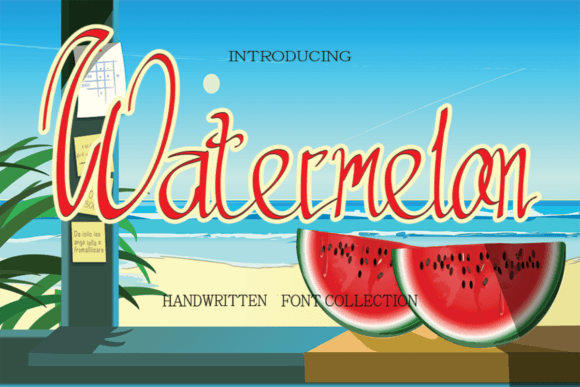
There is a specific shade of pinkish-red that immediately conjures the memory of biting into a cold slice of fruit on a hot day. That visual trigger is exactly what the Watermeon typeface taps into. It is not merely a collection of letters; it is a display font designed with a distinct personality that mimics the vibrant, organic feel of fresh produce. For designers, content creators, and business owners, finding a font that conveys immediate warmth and approachability can be difficult. Watermeon solves this by offering an authentic aesthetic that feels nostalgic yet modern. It captures the brightness of summer, making it an ideal choice for projects that need to feel inviting, energetic, and visually distinct without relying on standard corporate typography.
Infusing Brand Identity with Organic Warmth
When building a brand identity, the choice of typography speaks volumes before the audience even reads the words. A heavy, geometric sans serif might suggest efficiency and modernity, but it often lacks emotional warmth. Conversely, Watermeon offers a personality that feels handmade and genuine. This makes it a powerful asset for brands that want to position themselves as friendly, artisanal, or fun.
Consider a small business owner launching a summer beverage line or a boutique bakery specializing in fruit tarts. Using Watermeon for their primary logo design or wordmark instantly communicates the nature of the product. It signals to the customer that the brand is approachable and focused on quality ingredients. Beyond food and beverage, this font works surprisingly well for lifestyle brands, children’s clothing lines, or eco-friendly products. The "fruit style" of the font suggests natural origins and care, which are two pillars of strong brand recognition. It helps bridge the gap between a digital storefront and the tactile experience of the product itself.
Practical Applications for Packaging and Print
In the world of packaging design, shelf appeal is everything. A product has only a few seconds to catch a consumer's eye before they move on to the next item. This is where a premium font like Watermeon shines. Its bold, colorful personality—often available in color font formats that mimic gradients or textures—allows it to stand out against neutral backgrounds.
Imagine using this typeface for the labels of artisanal jams, scented candles, or summer party supplies. The text does not just label the product; it becomes part of the artwork. For print materials such as flyers, posters, and direct mail, Watermeon can be used for headlines to draw the reader in. Because it is a display font, it commands attention in large sizes, making it perfect for event invitations or seasonal sale announcements. It adds a layer of visual interest that standard serif or sans serif fonts cannot achieve, effectively reducing the need for excessive imagery because the typography itself carries the visual weight.
Dominating Digital Spaces with Visual Consistency
The digital landscape is crowded. Whether you are a blogger trying to increase dwell time or a marketer aiming for higher click-through rates on social media graphics, you need visual hooks. Watermeon provides an excellent solution for creating eye-catching social media posts. Instagram, Pinterest, and TikTok thrive on aesthetics. A consistent visual theme built around a unique typeface can help solidify a creator's personal brand.
For instance, a content creator focusing on summer fashion or travel could use Watermeon for all their story highlights, reel covers, and quote cards. This creates a cohesive look that followers recognize instantly. Furthermore, this font is highly effective for digital products. If you are selling downloadable planners, e-books, or online course materials, incorporating a creative font like Watermeon for headers and callouts makes the digital product feel more valuable and professionally designed. It transforms a standard PDF into a polished piece of editorial design.
Mastering Font Pairings and Readability
While Watermeon is a stunning visual asset, it requires a strategic approach to typography to ensure readability. As a display font, it is designed for impact, not necessarily for long blocks of body text. This is a common consideration in modern typography; the "hero" font needs a supporting cast.
A practical design tip is to pair Watermeon with a clean, neutral sans serif or a classic serif font for the body copy. For example, if you use Watermeon for a blog post title or a website header, pair it with a font like Montserrat, Open Sans, or even a traditional Garamond for the paragraph text. This contrast creates a visual hierarchy that guides the reader's eye. The display font grabs attention, and the body font ensures the message is delivered clearly without causing eye strain. This balance is crucial for professional presentation. It prevents the design from looking cluttered while maintaining the playful energy of the primary font.
Commercial Licensing and Long-Term Value
For entrepreneurs and designers, the technical aspects of a font are just as important as the visual ones. When investing in design assets, understanding the licensing is critical. A commercial font license ensures that you have the legal right to use the typeface in projects that generate revenue, whether it is on merchandise, client work, or digital products.
Watermeon often comes with various styles, including regular, bold, or even textured versions, offering versatility within a single family. Before purchasing or downloading, always review the license details to ensure it covers your specific needs, such as print-on-demand merchandise or unlimited social media usage. Treating typography as a business asset rather than just a decoration protects your brand legally and ensures you can maintain visual consistency across all platforms indefinitely. By integrating a font like Watermeon into your toolkit, you are not just buying a style; you are investing in a recognizable visual language that resonates with audiences and enhances the perceived value of your work.