Orville Font: A Whimsical Dotted Typeface for Creative Brands
There’s a moment in every design project where the typography either clicks or falls flat. You’ve got the colors, the layout, the concept—but the font? It needs to do more than just display letters. It needs to carry personality, evoke emotion, and communicate something about your brand before a single word is fully read. That’s where a typeface like Orville enters the picture. With its charming handwritten style and playful dotted design, it offers a distinctive visual voice that’s hard to ignore.
More Than Just a Pretty Face: The Personality Behind Orville
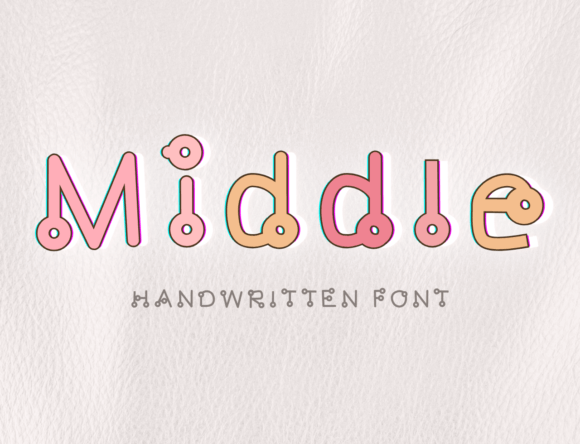
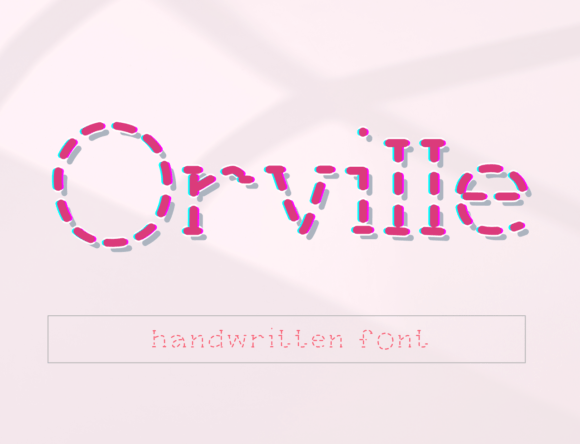
Orville isn’t your average script font. It blends elegance with a lighthearted, almost whimsical touch, making it feel both sophisticated and approachable. The dotted detailing gives each character a sense of movement and texture, as if drawn by hand with care and creativity. This isn’t a font that tries to be overly formal or strictly professional—it’s designed to stand out with personality. Think of it as the typeface equivalent of a friendly smile or a clever wink. It’s perfect for projects that want to feel authentic, creative, and a little bit playful.
Because it’s a premium font, Orville comes with a level of polish that free fonts often lack. The letterforms are balanced, the spacing is thoughtful, and the overall design maintains consistency across different sizes and applications. Whether you’re using it for a large headline or a small caption, it retains its charm without sacrificing readability. That’s a crucial balance for any font intended for branding or marketing materials.
Where Orville Shines: Practical Applications for Designers and Brands
So, where does a font like Orville actually work well? The answer is broader than you might think. Its unique style makes it versatile across both digital and print projects, especially those aiming for a personal, handcrafted feel.
- Branding and Logo Design: If you’re building a brand identity for a boutique business, a creative studio, or a lifestyle product, Orville can add that human touch. It’s great for logos, wordmarks, and brand collateral where you want to convey warmth and originality.
- Packaging and Product Design: Imagine this font on artisanal food packaging, handmade cosmetics, or specialty stationery. The dotted texture gives it a tactile quality that suggests craftsmanship and attention to detail.
- Social Media and Web Design: In a sea of generic sans serif fonts, Orville helps your graphics and website headers pop. It’s ideal for Instagram quotes, Pinterest pins, blog post titles, and landing page headlines that need to grab attention quickly.
- Print Materials and Invitations: Wedding invitations, event flyers, thank-you cards—Orville’s elegant yet playful style suits any project meant to feel special and personal.
- Editorial and Digital Products: Use it for magazine headers, e-book covers, or online course graphics. It adds visual interest without overwhelming the layout.
Because it’s a display font, Orville works best when used strategically—think headlines, logos, and short bursts of text rather than long paragraphs. Pair it with a clean sans serif or a simple serif font for body copy to maintain readability while letting Orville’s personality shine.
Choosing the Right Font for Your Project: A Practical Guide
Selecting a typeface isn’t just about what looks good—it’s about what works for your goals. Here are a few things to consider when deciding if Orville is the right fit:
- Define Your Brand’s Voice: Is your brand playful, elegant, modern, or traditional? Orville leans toward creative and whimsical, so it’s a natural match for brands that value authenticity and charm.
- Consider Readability: While Orville is legible at larger sizes, its dotted design might not be ideal for body text. Test it at the size you plan to use and make sure it remains clear.
- Test Font Pairings: Try combining Orville with a neutral typeface like a geometric sans serif or a classic serif. The contrast will help Orville stand out while keeping your overall design balanced.
- Review Included Styles: Many premium fonts come with multiple weights or alternates. Check if Orville includes variations that could expand your design options.
- Check Licensing: If you’re using Orville for commercial projects—like client work, merchandise, or digital products—make sure you understand the font licensing terms. A commercial license ensures you’re legally covered.
Building Visual Consistency and Brand Recognition
One of the biggest advantages of choosing a distinctive font like Orville is the boost it can give to brand recognition. When used consistently across your website, social media, packaging, and marketing materials, it becomes part of your visual identity. Customers start to associate that style with your brand, which builds familiarity and trust over time.
Think of brands you love—they often have a recognizable typographic style. Whether it’s a quirky script or a bold sans serif, the font becomes part of the brand’s story. Orville’s handwritten, dotted aesthetic can help you tell a story that feels personal and creative, setting you apart from competitors who rely on overused typefaces.
That said, consistency doesn’t mean using the font everywhere. It means using it thoughtfully and strategically. Reserve Orville for key moments where you want to make an impact—like your logo, main headlines, or call-to-action buttons—and let simpler fonts handle the rest. This approach keeps your designs professional while maintaining visual interest.
Final Thoughts: Let Your Typography Tell Your Story
Typography is one of the most powerful tools in your design toolkit. It’s not just about picking a font—it’s about choosing a voice for your brand. Orville offers a unique blend of elegance and playfulness that can help your projects feel more authentic, engaging, and memorable. Whether you’re designing a logo, crafting social media graphics, or putting together a product label, this typeface brings a level of personality that’s hard to replicate with more standard fonts.
As with any design asset, the key is to use it with intention. Test it in context, pair it wisely, and make sure it aligns with your brand’s overall aesthetic. When done right, a font like Orville doesn’t just display words—it helps tell your story, one dotted character at a time.