Oliphant: A Handwritten Font with Timeless Appeal
There’s a certain magic in handwriting. It carries personality, warmth, and an authenticity that perfectly polished digital typefaces often lack. If you’ve ever wanted to capture that feeling in your designs without sacrificing clarity or professionalism, a font like Oliphant might be exactly what your toolkit is missing. It’s more than just a script; it’s a bridge between the organic charm of hand-lettering and the consistency required for modern branding.
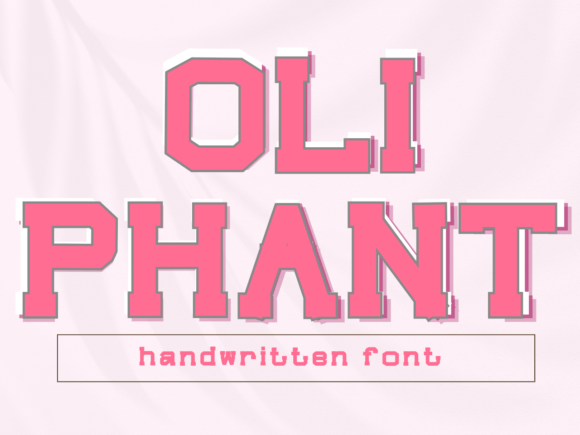
What immediately draws you to Oliphant is its lovely, flowing character. Each letter feels carefully crafted with a natural, yet controlled, rhythm. The strokes have a gentle variation that mimics the pressure of a real pen on paper, giving it a timeless quality. This isn’t a frantic or overly casual scrawl. It’s a refined, elegant handwritten font that feels both personal and polished. The unique touch in every glyph ensures your text doesn’t just read—it speaks. This visual appeal makes it a standout choice for projects where you want to create an immediate emotional connection with your audience.
Where a Font Like Oliphant Truly Shines
The practical applications for a premium handwritten font are surprisingly vast. Its versatility lies in its ability to convey different moods depending on the context. For a small business owner building a brand from scratch, Oliphant can be the cornerstone of your visual identity. Imagine it on your logo, instantly communicating approachability and craftsmanship. It’s perfect for artisanal product packaging, where it can elevate a simple label into something that feels bespoke and high-quality. Think of a coffee bag, a candle jar, or a skincare bottle—the right script font adds perceived value and tells a story before the customer even reads a word.
Beyond physical products, this typeface is a powerful tool for digital presence. In web design, using Oliphant for headers or featured quotes can break the monotony of standard sans serif body text, guiding the visitor’s eye and adding personality to your pages. For social media graphics, it’s invaluable. A striking Instagram quote, a sale announcement for your online shop, or the title of a new blog post rendered in this font stops the scroll. It makes your content feel more curated and intentional. For bloggers and content creators, it’s a fantastic way to develop a recognizable aesthetic across pins, YouTube thumbnails, and newsletter headers, helping to build a cohesive brand identity that readers will learn to recognize.
Beyond Aesthetics: Building Recognition and Trust
Choosing a font is a strategic decision, not just an aesthetic one. Consistency in typography is a key component of brand recognition. When you use Oliphant consistently across your marketing materials—from your website to your email signature, from your business cards to your invoices—you create a unified visual language. This repetition builds familiarity. Your audience starts to associate that specific, elegant script with your business, which is a fundamental step in establishing trust and professionalism.
However, the most beautiful font is useless if it can’t be read. One of Oliphant’s strengths is its balance between style and legibility. While it’s a display font meant for headlines and short bursts of text, its letterforms are distinct enough to remain clear at various sizes. This makes it a reliable creative font for posters, event invitations, or editorial layouts where you need a heading that is both impactful and intelligible. It’s the kind of design asset that solves multiple problems at once, saving you time while enhancing your project’s visual quality.
Practical Tips for Using This Handwritten Typeface
To get the most out of a font like Oliphant, a thoughtful approach is necessary. First, consider its role in your project. It’s primarily a display or headline font. Use it for titles, logos, pull quotes, and short calls to action. For body copy, always pair it with a highly readable serif font or a clean sans serif font. This contrast creates a visual hierarchy that is both beautiful and functional. A classic pairing might be Oliphant for headings with a font like Lato or Open Sans for the main text.
Always test your font pairings and placements. View your design at different sizes and on various devices. Does the script lose its charm when scaled down for mobile? Is there enough contrast between the headline and body text? Pay attention to letter spacing and line height, as these can dramatically affect the readability of a script font. Most premium fonts like Oliphant will come with multiple styles—often including alternates, ligatures, and sometimes even swashes. Take the time to explore these options in your design software. They allow you to customize the look further, ensuring each word flows naturally and avoids repetitive letter shapes.
Finally, be mindful of the commercial licensing. If you’re using Oliphant for client work, merchandise for sale, or digital products you distribute, ensure you have the appropriate license. A reputable font foundry will provide clear terms, giving you peace of mind and legal security for your creative projects.
In the end, a font like Oliphant is more than a set of characters. It’s a tool for storytelling. It injects a human touch into a digital world, making your brand feel more relatable and your designs more memorable. Whether you’re crafting a wedding invitation, designing a logo for a new café, or creating a series of motivational prints, its timeless, lovely appeal provides a solid foundation for work that resonates and endures.