Hypop: Where Retro Cool Meets Modern Minimalism in Your Designs
There’s a particular kind of visual language that stops you mid-scroll. It’s not loud or chaotic, but it carries an undeniable presence—a confident, condensed letterform that feels both familiar and fresh. It whispers of mid-century advertisements and vintage packaging, yet it’s stripped back with a clean, contemporary edge. This is the space occupied by Hypop, a sans serif font family that bridges the gap between nostalgic charm and minimalist sophistication, offering designers and creators a powerful tool for projects that demand both personality and polish.
The Visual Appeal: Bold, Condensed, and Unmistakably Stylish
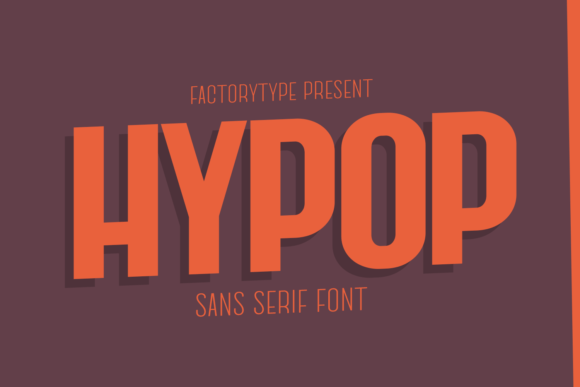
At its core, Hypop is a bold and condensed sans serif font family. This combination is its superpower. The bold weight ensures immediate impact, making it ideal for headlines, logos, and any element that needs to grab attention instantly. The condensed nature allows you to fit more text into tight spaces without sacrificing readability, a practical advantage for everything from website headers to packaging labels. But what truly sets it apart is its nostalgic vibe. It doesn’t just mimic retro type; it reinterprets it. The letterforms have a slight geometric quality, with clean lines and subtle rounded corners that soften the boldness, creating an elegant, approachable aesthetic. This isn’t a dusty relic; it’s a modern typography solution with a soul.
The font family’s range of weights is a significant practical benefit. You’re not locked into a single, heavy style. Instead, you can choose the perfect typographic color for your project’s needs. Need a lighter weight for subheadings or body text that pairs well with the bold display version? Hypop has you covered. This versatility is crucial for building a cohesive brand identity, where different text elements need to work together harmoniously. Furthermore, being PUA encoded means all the special glyphs, ligatures, and stylistic alternates are easily accessible, even in basic design software. This unlocks creative possibilities, allowing you to add unique flourishes to a logo lockup or create distinctive monograms without technical headaches.
Practical Applications: From Brand Foundations to Social Media Posts
Understanding a font’s style is one thing; knowing where to use it is where the real value lies. Hypop’s balanced character makes it a remarkably versatile design asset. Let’s break down some concrete scenarios.
- Branding & Logo Design: This is where Hypop shines. Its condensed, bold form is perfect for creating memorable, scalable logos. Imagine it on a coffee bag, a tech startup’s wordmark, or a boutique clothing tag. The retro-minimalist blend helps a brand stand out as both timeless and current, aiding brand recognition.
- Packaging & Merchandise: On a shelf crowded with visual noise, a clean, bold typeface can be a beacon. Use Hypop for product names, key descriptions, or call-to-action phrases on boxes, bottles, and labels. For merchandise like t-shirts, tote bags, or posters, its impactful style ensures your message is seen and remembered.
- Digital Presence: For web design, Hypop can create striking hero sections, clear navigation menus, and engaging blog titles. In social media graphics, its high contrast and readability make it perfect for quotes, announcements, and promotional posts that need to perform well on small screens. It’s also an excellent choice for headers in digital products like e-books or online course materials.
- Print & Editorial: Don’t limit it to digital. Think of event posters, magazine covers, or book titles where a strong, graphic headline is needed. In editorial layouts, a weight of Hypop can pull the reader into an article, while a lighter weight can be used for pull quotes or section dividers, adding a touch of style without overwhelming the page.
Making It Work: Practical Tips for Pairing and Implementation
Choosing a great premium font is only the first step. Using it effectively requires a bit of strategy. Here’s how to get the most out of Hypop in your projects.
First, consider font pairing. Hypop, with its strong personality, often works best when paired with a simpler, more neutral companion. For body text, try a clean, readable serif font or a simple sans serif with a wider stance and regular weight. This creates a pleasing contrast that guides the reader’s eye and maintains readability across long blocks of text. Avoid pairing it with another highly stylized display font, as they will compete for attention.
Second, always test in context. A font can look different on a dark background versus a light one, or when set in all caps versus mixed case. Mock up your designs—place your logo on a business card, your headline on a website template, your product name on a package mockup. This real-world testing is the best way to ensure the typeface achieves the desired effect and maintains professional presentation.
Third, review the included styles. Take the time to explore all the weights and any stylistic alternates. You might discover that a slightly lighter weight is perfect for your subheadings, or that a particular ligature adds the perfect custom touch to your logo. This exploration is part of the creative process and helps maximize the value of your commercial font investment.
Finally, always be mindful of licensing. If you’re using Hypop for client work or commercial products (like merchandise or templates for sale), ensure you have the appropriate license. Most reputable font foundries offer clear commercial licensing options, providing peace of mind for your projects and your clients.
Ultimately, a typeface like Hypop is more than just letters on a screen. It’s a tone of voice. It’s a feeling. It’s a tool that can help a small business look established, make a social media post more engaging, and give a creative project a cohesive, professional edge. By understanding its visual strengths and applying it thoughtfully, you can harness its unique blend of retro flair and minimalist clarity to communicate more effectively and create designs that truly resonate.