Phadra: A Playful Typeface That Brings Whimsy to Your Work
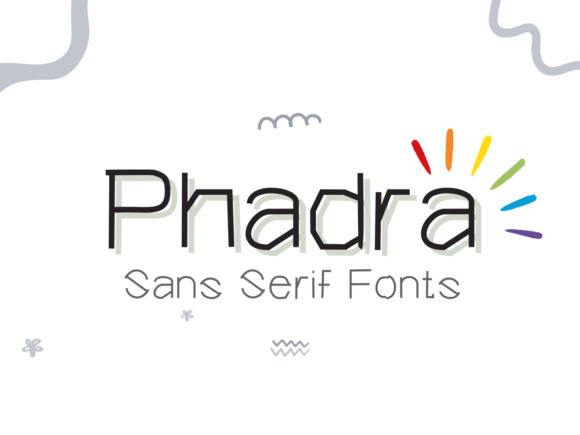
There’s a certain magic that happens when a font doesn’t just display words, but embodies a feeling. You know the one—it’s the typeface that makes a children’s book cover irresistible, a bakery’s logo feel instantly welcoming, or a social media graphic pop with energy. Finding that perfect blend of personality and function is a common quest for creators. Enter Phadra, a sans-serif font that steps away from rigid geometry and into a world of playful charm. Its letterforms aren’t just letters; they’re characters with a bit of a smile, designed to inject a dose of friendly whimsy into any project they touch.
More Than Just a Pretty Face: Understanding Phadra's Visual Appeal
At first glance, Phadra distinguishes itself through subtle, intentional quirks. We’re not talking about overly decorative or hard-to-read script fonts. Instead, think of a standard sans-serif that’s been given a gentle, creative nudge. You might notice slightly rounded terminals, soft edges, and letter shapes that feel a bit more organic and less rigid than a traditional corporate typeface. This is what we call a display font with a strong personality—its primary strength is in headlines, logos, and short bursts of text where its unique character can shine without compromising clarity.
The beauty of a creative font like this lies in its ability to set a tone instantly. It communicates approachability, fun, and a touch of modern creativity. For a small business owner, this can be a game-changer. Imagine using it for a local toy shop’s signage or a craft brewery’s tap list. It doesn’t just label; it invites and delights. This visual personality is a cornerstone of effective brand identity, helping to build an emotional connection with your audience before they’ve even read a full sentence.
Practical Applications: Where Does Phadra Shine?
Theory is nice, but let’s talk real-world use. A font’s value is proven in its application across different mediums. Phadra’s balanced blend of whimsy and readability makes it surprisingly versatile.
- Branding & Logo Design: This is where Phadra truly excels. It’s an excellent choice for brands that want to appear friendly, innovative, and approachable. Think of a boutique coffee roaster, a creative agency, a children’s educational app, or a modern artisan market. Its unique shapes ensure your logo stands out in a sea of generic wordmarks.
- Packaging & Merchandise: On a shelf or a t-shirt, personality sells. Phadra can make packaging for gourmet snacks, organic beauty products, or craft supplies feel more curated and special. It works beautifully on merchandise like tote bags, mugs, and notebooks, adding a custom, designerly feel.
- Digital Presence: For web design and social media graphics, Phadra can be used strategically for headlines, call-to-action buttons, and key phrases. It grabs attention in a crowded Instagram feed or on a website hero section, making your message memorable. Pair it with a simple, clean body font for perfect balance.
- Print & Editorial: Don’t count it out for print. It’s fantastic for event posters, workshop flyers, magazine headers, and the cover of a cookbook or lifestyle blog journal. In editorial design, it can add a fresh, contemporary vibe to chapter titles or pull quotes.
- Invitations & Digital Products: Planning a baby shower, a creative workshop, or a birthday party? Phadra sets a joyful and inviting tone on invitations and event materials. It’s also perfect for designing digital products like printable planners, worksheet headers, or social media templates.
Integrating Phadra Into Your Design Workflow
Adopting a new premium font is exciting, but a little strategy ensures it enhances rather than overwhelms your work. Here’s how to make the most of Phadra.
Pairing is Everything: The golden rule of using a strong display typeface is to pair it with a neutral companion. Phadra’s playful energy needs a grounding element. Try combining it with a classic, highly readable serif font for body copy in editorial layouts to create a sophisticated contrast. For a more modern, clean look, pair it with a simple geometric sans-serif. The key is to let Phadra be the star of headlines while the supporting font does the heavy lifting for paragraphs.
Context and Hierarchy: Always consider your project’s goal. For a formal annual report, Phadra might be too casual. But for a startup’s pitch deck or a food blog, it’s ideal. Use it to establish a clear visual hierarchy. Make your H1 headings in Phadra to draw the eye, then use a more subdued font for subheadings and body text. This improves readability and guides your audience through the content logically.
Test Before You Commit: Before finalizing a design, always test the font in context. See how it looks at the actual size it will be used, whether on a mobile screen or a printed poster. Check its clarity when used for short phrases versus a single word. If you’re working on a brand identity system, create a simple style guide showing how Phadra should be used alongside your other typography to maintain visual consistency across all touchpoints.
Key Considerations for Commercial Use
When you’re investing in a font for professional projects, licensing is a critical, non-negotiable step. A commercial font like Phadra comes with a license that grants you legal permission to use it in your work, whether it’s for a client, your own business, or products for sale. Always read the End User License Agreement (EULA) carefully.
Check the specifics: Does the license cover the number of users or computers you need? Is it valid for web embedding (using @font-face on a website)? Can you use it in items for sale, like logos, templates, or merchandise? Reputable font designers and foundries provide clear licensing terms, protecting both their work and your investment. Ensuring you have the correct license is a foundational part of professional presentation and avoids legal headaches down the road.
In the end, Phadra is more than just another sans serif font in your library. It’s a design asset with a distinct voice—a tool for adding warmth, personality, and a memorable visual hook to your creative projects. Used thoughtfully, it can help bridge the gap between your brand’s unique spirit and the audience you want to reach, making your communications not just seen, but felt.