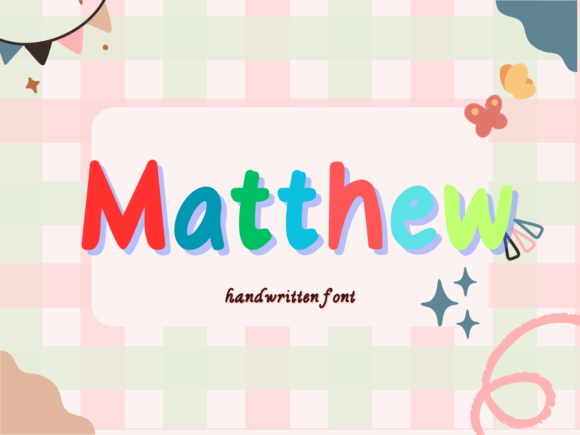
Matthew: A Handwritten Font for Friendly, Everyday Designs
There's something instantly appealing about a font that feels personal. In a world of crisp, digital perfection, a touch of handwritten warmth can cut through the noise and connect on a human level. That's the core idea behind Matthew, a premium handwritten font designed to be your friendly companion for a vast range of creative projects. It’s not trying to be overly artistic or complex; instead, it offers a lovely, approachable style that feels like it was written just for you, making it an ideal typeface for designers, entrepreneurs, and hobbyists alike.
Where Friendly Typography Meets Real-World Projects
Matthew’s strength lies in its versatility. Its clean, legible letterforms strike a perfect balance between casual charm and professional clarity. This isn't a script font so loose it becomes hard to read on a screen, nor is it so rigid it loses its personality. Think of it as the typographic equivalent of a warm smile—it’s inviting, trustworthy, and fits into countless contexts without feeling out of place.
This makes it a standout creative font for projects where you want to convey authenticity and approachability. For a small business owner crafting their brand identity, Matthew can be the cornerstone. Use it in your logo design to suggest handmade quality or customer-centric service. It’s perfect for packaging design for artisanal goods, where the font itself tells a story of care and attention. The same friendly vibe translates beautifully to social media graphics, helping your posts feel more like a conversation than an advertisement.
From Digital Screens to Paper Goods: A Font for All Seasons
The applications for a well-designed handwritten font like Matthew are surprisingly broad. In the digital realm, it brings life to blog headers, email newsletters, and website call-to-action buttons, adding a layer of warmth that can improve audience engagement. For content creators, it’s a secret weapon for making quotes, announcements, and testimonials on platforms like Instagram or Pinterest feel more genuine and shareable.
When your project moves to print, Matthew truly shines. Its clarity holds up in a variety of materials. Imagine it on:
- Invitations and greeting cards for weddings, birthdays, or holidays, setting a joyful and personal tone from the first glance.
- Event posters and party decorations that need to feel festive and accessible, not corporate.
- Editorial layouts in magazines or lookbooks, where it can be used for pull quotes or subheadings to break up text and add visual interest.
- Merchandise like t-shirts, mugs, or tote bags, where a friendly script font can make a simple design feel special.
For those in education or creating child-related designs, Matthew’s lovely style is particularly effective. It feels playful yet readable, making it suitable for classroom materials, children’s book covers, or DIY planner stickers.
Building a Cohesive Visual Language with a Single Typeface
One of the biggest challenges in design is maintaining visual consistency across different platforms and materials. A font like Matthew can become a unifying element in your toolkit. By using it consistently for specific types of content—like all your headings, your logo lockup, or your social media handles—you create a recognizable thread that strengthens your brand recognition.
However, great design is about thoughtful pairing. Matthew works exceptionally well as a display font paired with a clean, simple sans serif font for body text. This combination ensures your main message is delivered with friendly flair while maintaining excellent readability for longer paragraphs. For example, pairing Matthew with a font like Open Sans or Lato for website copy creates a balanced and professional hierarchy.
Before committing to any font for a major project, always test it in context. See how Matthew looks at different sizes, in both uppercase and lowercase. Check its legibility on both a bright desktop screen and a mobile device. Print a sample to see how the letterforms translate to paper. This practical testing is a crucial step that separates good design from great design.
Practical Considerations for Your Creative Workflow
When you add a new typeface to your library, understanding its full potential is key. Matthew, as a premium font, typically includes more than just the basic alphabet. Look for features like stylistic alternates, ligatures, and extended language support. These extras allow you to customize the look, making headlines more unique or solving specific kerning issues in your design assets.
Equally important is understanding the licensing. For anyone using Matthew in commercial work—whether for a client’s logo, a product you sell, or marketing materials for your business—ensuring you have the correct commercial license is non-negotiable. Reputable font foundries provide clear licensing terms, so you can use your creative font with full confidence, protecting both your work and your client’s.
Ultimately, the goal of modern typography is to communicate effectively while evoking the right emotion. Matthew is a tool designed for that exact purpose. It’s a typeface that doesn’t shout for attention but rather invites your audience in. By incorporating it thoughtfully into your design process, you can elevate the everyday, turning simple projects into memorable experiences that resonate with a friendly, human touch.