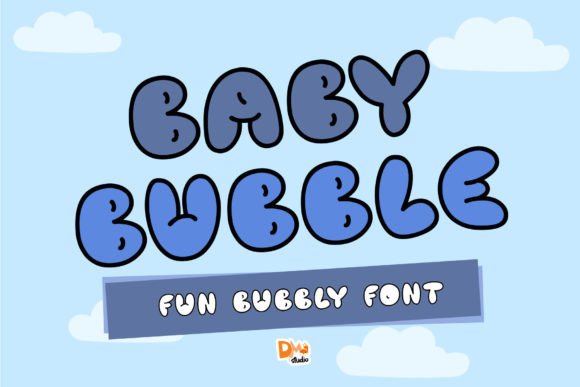
Baby Bubble: The Soft, Playful Font for Gentle Branding
There’s a moment in every design project where the typeface either clicks into place or throws everything off. You’ve got the colors, the imagery, the message—but if the font feels too sharp, too cold, or too generic, the whole composition loses its warmth. This is especially true when you’re designing for families, new parents, or anything baby-related. You need something that feels safe, nurturing, and approachable at a glance. That’s where a typeface like Baby Bubble comes in: it’s built with softness in mind, designed to mirror the gentle curves and calm presence of early childhood.
What makes Baby Bubble stand out isn’t just its rounded letterforms or pastel blue default color—it’s the intention behind its design. Every curve is smooth, avoiding sharp edges that might feel harsh or clinical. The medium size keeps it readable without shouting, making it ideal for products, packaging, and digital content where clarity matters but tone is everything. It’s the kind of font that feels familiar, like a lullaby you’ve heard before, and that sense of comfort can be a powerful tool in visual communication.
Where This Gentle Typeface Truly Shines
Think about the brands and products that successfully connect with young families. They often use typography that feels warm, inviting, and easy to engage with. Baby Bubble fits naturally into this space. For small business owners creating baby skincare lines, organic cotton clothing, or nursery décor, this font can help build instant brand recognition. Its playful yet delicate aesthetic communicates care and quality without needing a single word of explanation. When used on packaging, it helps products stand out on shelves while reassuring parents that they’re choosing something made with their child’s comfort in mind.
But its usefulness extends far beyond physical products. Content creators and bloggers focusing on parenting tips, family lifestyle, or early childhood education can use Baby Bubble to give their digital presence a cohesive, friendly feel. Imagine a blog header that uses this font paired with a clean sans serif for body text—the combination feels modern, approachable, and easy to read. Social media graphics for Instagram or Pinterest become more engaging when the typography matches the message. A post about baby sleep schedules or developmental milestones feels more relatable when the font itself seems to whisper rather than lecture.
Building Consistency Across Your Brand Identity
One of the most practical benefits of choosing a font like Baby Bubble is how it helps create visual consistency. When you use the same typeface across your logo, website, printed materials, and social media, you start building a recognizable brand identity. Customers begin to associate that soft, rounded lettering with your specific products or services. This is especially valuable for entrepreneurs who might not have a large marketing budget but want to look polished and professional. A well-chosen typeface can do a lot of heavy lifting in making a small business feel established and trustworthy.
Consider how you might use it in different contexts. For a baby shower invitation, Baby Bubble sets a celebratory yet gentle tone. On a website selling handmade baby blankets, it reinforces the artisanal, caring quality of the products. In a parenting eBook or digital download, it makes the content feel accessible and easy to digest. Even in editorial design—like a magazine spread about family wellness or nursery trends—this typeface can add a touch of softness that balances more structured serif or sans serif fonts used for body copy.
Pairing and Practicality: Making It Work for Your Project
While Baby Bubble is beautiful on its own, it often works best as part of a typographic system. Pairing it with a simple, neutral sans serif font can create a balanced hierarchy where the display font grabs attention and the body text remains easy to read. For example, you might use Baby Bubble for headlines or logos and a font like Open Sans or Lato for paragraphs and captions. This combination keeps the design feeling cohesive while ensuring readability across different formats—from printed brochures to mobile screens.
It’s also worth considering the specific styles included with the font. Some versions might offer alternate characters, ligatures, or different weights that can add variety to your designs. Before starting a project, take time to explore what’s available and test how different letterforms look in your intended context. If you’re using it for merchandise—like onesies, bibs, or nursery wall art—make sure the font remains clear and legible at various sizes. Sometimes a slightly bolder version works better for small prints, while the regular weight shines on larger displays.
Choosing Fonts with Your Audience in Mind
Ultimately, the best typeface choice depends on who you’re trying to reach and what you want them to feel. For projects targeting new parents, grandparents, or anyone shopping for baby-related products, a font like Baby Bubble taps into emotions of tenderness, safety, and joy. It’s not just about looking cute—it’s about creating a visual language that resonates with your audience’s values and expectations. When typography aligns with brand messaging, it strengthens the overall experience and can even increase engagement, whether that’s through longer time spent on a website or higher conversion rates on an online store.
If you’re working on a client project, take the time to discuss their vision and audience. Sometimes a slightly different approach—like using Baby Bubble only for accents while relying on a more neutral typeface for primary text—might be the right solution. For personal projects or hobbyist creations, have fun experimenting. Use it for birthday cards, scrapbook layouts, or custom nursery prints. The flexibility of a well-designed typeface means it can adapt to both commercial and personal needs, as long as you keep the end viewer in mind.
Before you finalize any design, always check the licensing terms if you’re using it for commercial purposes. Many premium fonts come with different license options depending on whether you’re using them for digital products, physical merchandise, or broadcast media. Understanding these details upfront can save you headaches later and ensures you’re using the font ethically and legally.
In the end, typography is about communication. Baby Bubble offers a way to communicate warmth, care, and attention to detail without saying a word. Whether you’re designing a logo for a new baby brand, creating social media content for a parenting blog, or crafting invitations for a family celebration, this typeface brings a gentle, inviting quality that can make your work feel more thoughtful and connected. It’s a reminder that sometimes, the softest touch leaves the strongest impression.