Happy Monkey: The Playful Font That Brings Designs to Life
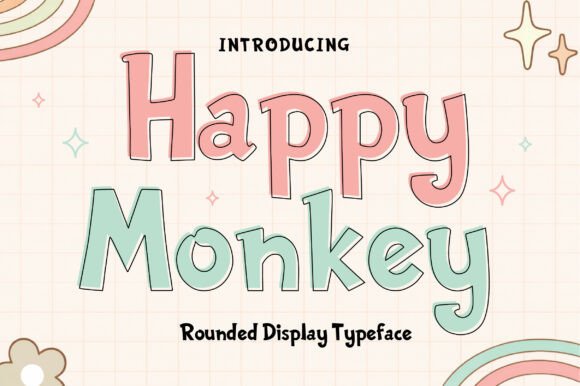
There's a certain magic that happens when typography stops being just letters on a page and starts becoming part of the story you're telling. That's exactly the kind of energy you get with Happy Monkey, a rounded display font that practically radiates warmth and personality the moment you start typing. If you've ever struggled to find a typeface that feels approachable, fun, and genuinely joyful without crossing into unprofessional territory, this one deserves a closer look.
What Makes This Typeface Stand Out
Happy Monkey isn't trying to be everything to everyone, and that's precisely what makes it so effective. The chunky letterforms carry a bold presence that commands attention in headlines and display settings, while the soft curves and rounded edges keep things feeling friendly rather than aggressive. Think of it as the typographic equivalent of a warm smile from across the room—it draws you in without demanding anything from you.
The pastel-inspired styling gives designers a built-in sense of cohesion. You're not fighting the font to make it feel cheerful or inviting; it already carries that DNA in every letter. The strokes are smooth and consistent, which means you get that cute, whimsical charm without sacrificing actual readability. That balance is harder to achieve than most people realize, especially with display fonts that lean heavily into decorative territory.
What really sets this creative font apart is how it manages to feel both playful and polished at the same time. You could use it on a child's birthday invitation and it would feel perfectly at home. Drop it onto a trendy product label or a social media graphic for a lifestyle brand, and it still works. That versatility comes from thoughtful design decisions in the letter spacing, the weight distribution, and the overall rhythm of the typeface.
Real-World Applications Worth Considering
Let's talk about where Happy Monkey actually shines in practice, because understanding a font's strengths helps you make smarter design decisions for your projects.
Packaging and Product Design: If you're developing packaging for food products, children's items, cosmetics with a playful brand personality, or artisan goods, this typeface brings an instant sense of approachability. The rounded forms photograph well, which matters enormously when your packaging needs to look great both on a shelf and in an Instagram post. Small business owners creating labels for handmade candles, bath products, or baked goods will find it particularly useful for establishing a cohesive brand identity without hiring a custom lettering artist.
Social Media Graphics: Content creators and social media managers know the drill—you need fonts that stop the scroll. Happy Monkey works beautifully for quote graphics, announcement posts, story templates, and promotional banners. Its bold weight means it stays legible even at smaller sizes on mobile screens, and the playful personality helps your content feel more human and relatable compared to generic sans serif fonts that blend into the feed.
Logo Design and Branding: Not every brand needs to look corporate and serious. If your business caters to families, children, creative communities, or anyone who values warmth and approachability, incorporating a display font like this into your logo design can communicate your brand personality before someone reads a single word. Pair it with a clean sans serif for body text, and you've got a typography system that feels both distinctive and functional.
Invitations and Event Materials: Birthday parties, baby showers, school events, community gatherings, and celebratory occasions practically beg for typography that matches the mood. The decorative elements and lively character of this typeface make it a natural fit for invitations, thank you cards, banners, and party signage. It photographs beautifully, which matters when guests are sharing your event details online.
Website Headers and Blog Graphics: Web design benefits enormously from having display fonts that inject personality into key touchpoints. Using Happy Monkey for hero sections, blog post titles, or section headers creates visual interest and breaks up the monotony of body text set in more neutral typefaces. Just remember to pair it thoughtfully—a playful display font works best when it has breathing room and isn't competing with too many other design elements.
Merchandise and Print Products: Tote bags, stickers, notebooks, mugs, t-shirts—merchandise thrives on bold, readable typography that translates well across different printing methods. The smooth, consistent strokes of this font handle screen printing, digital printing, and heat transfer applications without losing their character. For entrepreneurs selling on platforms like Etsy or running print-on-demand shops, having a go-to font that consistently delivers personality across products saves significant design time.
Getting the Most From Your Typography Choices
Choosing the right font style for a project goes beyond picking something that looks nice in isolation. Context matters enormously. Before reaching for any display typeface, ask yourself a few practical questions about your project goals.
First, consider your audience. A playful, rounded font communicates warmth, creativity, and approachability. If your target audience responds to those qualities—and many audiences do, especially in consumer-facing industries—then a typeface like Happy Monkey is a strong choice. If you're designing for a law firm or a financial institution, you'd obviously want something different. Matching typography to audience expectations is one of the most overlooked aspects of effective visual communication.
Second, think about font pairing. A display font rarely works well on its own for extended text. The real power comes from combining it with complementary typefaces. Try pairing Happy Monkey with a clean, modern sans serif for body copy, or use it alongside a simple serif font for a more editorial feel. The contrast between a playful display font and a straightforward text font creates visual hierarchy that guides the reader's eye exactly where you want it.
Third, always test your typography in context. A font that looks gorgeous on your design screen might lose its charm when printed at a small size or viewed on a low-resolution device. Check readability across different sizes, backgrounds, and formats before committing to a final design. Pay particular attention to how the letterforms interact with your color palette, since the pastel-friendly nature of this typeface pairs especially well with soft, warm color schemes but can also create striking contrast against darker backgrounds.
Fourth, review what font styles and weights are included with your purchase. Understanding the full range of characters, alternates, and stylistic options available to you means you can push the creative boundaries of your design without running into limitations mid-project. Many premium fonts include extended character sets, multilingual support, and OpenType features that give you more flexibility than you might expect.
Licensing and Commercial Considerations
One aspect of working with commercial fonts that deserves honest attention is licensing. If you're using Happy Monkey for client work, commercial products, or business branding, make sure you understand the licensing terms. Most premium font licenses distinguish between personal and commercial use, and some require separate licenses for different applications like web fonts, app embedding, or high-volume merchandise production.
This isn't just a legal formality—it protects both you and the font designer who invested time and skill into creating the typeface. For small business owners and freelancers, reading the license agreement before starting a project prevents headaches down the road. If you're unsure whether a particular use case is covered, reach out to the foundry or distributor for clarification. It's always better to ask upfront than to deal with licensing issues after your design is already in production.
Making Typography Work for Your Brand
Visual consistency is one of the most powerful tools in building brand recognition, and typography plays a central role in achieving it. When you select a font that genuinely reflects your brand's personality and use it consistently across touchpoints—your website, packaging, social media, print materials, and marketing assets—you create a visual thread that ties everything together. Customers start to recognize your brand not just by your logo or color scheme, but by the overall typographic voice you've established.
Happy Monkey works particularly well for brands that want to project warmth, creativity, and a sense of fun without sacrificing professionalism. It's the kind of typeface that makes people feel good when they encounter it, and that emotional response translates directly into engagement. Whether someone is browsing your online shop, reading your blog, or picking up your product in a store, the right typography shapes their experience in ways that are subtle but genuinely impactful.
The best design decisions come from understanding both the tools at your disposal and the people you're trying to reach. A well-chosen font doesn't just look good—it communicates, connects, and converts. And sometimes, the right typeface is the one that simply makes you smile every time you see it on the page.