Why the Primrose Font Is a Secret Weapon for Modern Brands
You know the feeling when you stumble upon a design element that just clicks? It might be a color palette that perfectly captures a mood, or a texture that adds just the right amount of depth. For many of us in the creative space, that moment often happens with typography. I recently had one of those moments with Primrose, a display font that manages to be both charmingly playful and surprisingly versatile. It’s not just another decorative typeface; it’s a tool that can inject a distinct personality into a project, making your work memorable and engaging. If you’re building a brand, designing for clients, or creating content that needs to stand out, understanding how to use a font like this can be a game-changer.
The Visual Charm: More Than Just Pretty Letters
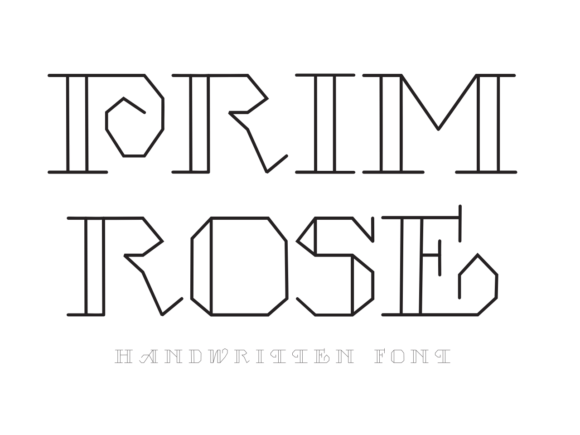
So, what exactly is Primrose? At its core, it’s a display font—a typeface designed for headlines, logos, and short bursts of text where visual impact is paramount. Its character is defined by a unique blend of whimsy and structure. You’ll notice soft, rounded terminals that give it a friendly, approachable feel, but it’s anchored by a confident, modern baseline. This balance is key. It avoids looking childish or overly casual, which makes it suitable for a wider range of applications than many playful fonts. Think of it as the typographic equivalent of a well-designed greeting card: it conveys warmth and creativity while still feeling polished and intentional.
The beauty of a premium font like this lies in its details. When you look closely, you’ll see subtle quirks in the letterforms—a slightly unexpected curve here, a playful counter there. These details are what give Primrose its character and help it tell a story. It’s a creative font that works best when it’s allowed to shine in large sizes, making it an excellent candidate for projects where typography is a central design element rather than just a functional necessity for body text.
Putting Primrose to Work: Practical Applications
Theory is nice, but how does this translate to your actual projects? Let’s break down some concrete ways to leverage this typeface.
For Brand Identity & Logo Design: If your brand’s personality is approachable, creative, optimistic, or artisanal, Primrose could be a fantastic fit for your logotype or wordmark. A bakery aiming for a homemade yet professional vibe, a boutique children’s clothing line, a lifestyle blog, or a creative agency specializing in joyful brands could use it to instantly communicate their ethos. It pairs beautifully with a clean sans serif font for body copy, creating a hierarchy that is both dynamic and readable.
Packaging & Product Design: On a shelf or in a product photo, packaging needs to grab attention quickly. Using Primrose for the product name or a key descriptor on labels, boxes, or tags can make your item feel more special and curated. Imagine it on a jar of artisanal jam, a candle label, or the header of a digital product like an ebook or online course. It signals care and creativity.
Digital & Social Media Presence: In the fast-scrolling world of social media, a unique font can stop the thumb. Use Primrose for the main text in your Instagram graphics, Pinterest pins, or Facebook ad headlines. It’s perfect for creating cohesive social media graphics that have a recognizable style. For web design, it can be used strategically for hero section headlines, section titles, or call-to-action buttons to inject personality without compromising the overall user experience.
Editorial & Marketing Assets: Think beyond the digital. Primrose shines in print. It’s an excellent choice for magazine or blog post titles, poster headlines, event invitations, and marketing assets like brochures and flyers. Its distinctive look ensures your key message is seen and remembered. For merchandise like tote bags, mugs, or t-shirts, it can create designs that feel both trendy and timeless.
Making It Work: Smart Pairings and Readability
Every display typeface has its strengths and ideal contexts. The key to using Primrose effectively is thoughtful pairing and a clear understanding of its role.
- The Font Pairing Principle: Never use two competing display fonts. Let Primrose be the star. Pair it with a neutral, highly readable workhorse font for paragraphs. A simple, geometric sans serif like Montserrat or Lato works well for a modern feel. For a more classic or elegant contrast, a light-weight serif font like Playfair Display or Lora can create beautiful tension. The goal is contrast, not conflict.
- Readability is Non-Negotiable: This is a creative font for headlines, not for long-form articles or dense paragraphs. Using it for body text will frustrate your readers. Keep it for titles, subheadings, pull quotes, and other elements where its personality can be appreciated at a glance.
- Review the Included Styles: A good premium font often comes with stylistic alternates, ligatures, or multiple weights. Check the font file to see if Primrose includes these. Alternates can give you different versions of certain letters (like a more swashy ‘a’ or ‘g’), allowing you to customize the look further for a truly unique brand identity.
Beyond the File: Considering Licensing and Consistency
Before you download and start designing, a crucial practical step: understand the licensing. If you’re using Primrose for a client project or your own business, you need to ensure you have the appropriate commercial font license. This typically covers use in logos, websites, printed materials, and merchandise. Always check the license agreement provided by the font creator or marketplace. It protects both you and the type designer.
Once you’ve chosen to incorporate Primrose into your brand or project, use it consistently. Consistency in typography is a cornerstone of professional visual communication and brand recognition. Define where and how it will be used—perhaps only for primary headlines on your website, or exclusively for your logo and social media graphics—and stick to those rules. This builds a cohesive brand identity that your audience will learn to recognize and trust.
Finding the right typeface is a journey of matching personality to purpose. Primrose offers a distinct voice that’s playful, modern, and full of character. By applying it thoughtfully to the right projects and pairing it wisely, you can transform a simple design into something that truly connects and captivates. Give it a try in your next mockup and see the story it helps you tell.