TrigonWeel: A Geometric Color Font for Bold Visual Impact
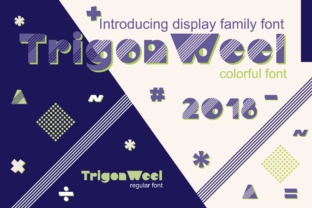
There’s a moment in every design project where you realize the typography isn’t just supporting the message—it’s becoming the message. That’s the kind of visual presence TrigonWeel brings to the table. This isn’t your average sans-serif; it’s a geometric display font with a distinct Memphis-style personality, built to make statements. With its structured shapes and color block appeal, it’s designed for contemporary projects that need to stand out in a crowded visual landscape.
More Than Just a Typeface: Understanding Its Visual Character
TrigonWeel sits at an interesting intersection. It’s fundamentally geometric, relying on clean lines and shapes that feel both modern and slightly playful. The “slightly grotesque” descriptor points to its departure from pure, traditional geometric sans-serifs—it has its own subtle quirks that give it character without sacrificing clarity. What truly sets it apart, however, is its nature as a color font. This means the glyphs themselves are built with multiple colors, creating an inherent layered or block effect right out of the box. Imagine letters that look like they’re constructed from colorful paper cutouts or have built-in shadow effects—that’s the core of its charm.
However, it’s crucial to understand its primary function. TrigonWeel is a premium font engineered for display purposes. This means it’s optimized for headlines, logos, and short, impactful text rather than long-form body copy. Its strength lies in grabbing attention and conveying a specific, modern aesthetic. If your project calls for a script font or a classic serif font for readability, this isn’t the tool. But for projects that need a burst of geometric energy, it’s a powerful asset.
Where TrigonWeel Shines: Practical Applications
The real test of any creative font is how it performs in real-world scenarios. TrigonWeel’s bold, graphic nature makes it particularly effective for projects where visual impact is non-negotiable.
- Brand Identity & Logo Design: For brands targeting a youthful, energetic, or design-forward audience—think tech startups, creative agencies, or trendy cafes—this font can form the backbone of a memorable logo design. Its built-in color and shape create instant recognition.
- Packaging Design: On a shelf or in a digital store, packaging needs to pop. TrigonWeel can make product names on boxes, labels, or bags impossible to ignore, especially for items like artisanal snacks, cosmetics, or children’s products.
- Social Media Graphics & Marketing Assets: In the fast scroll of Instagram or Facebook, a headline set in TrigonWeel can stop thumbs. It’s perfect for promotional banners, quote graphics, event announcements, and digital ads where you need to communicate quickly and stylishly.
- Posters, Invitations & Merchandise: From event posters and music festival flyers to wedding invitations with a modern twist, and even merchandise like t-shirts or tote bags, the font adds a crafted, graphic quality that feels premium.
- Editorial & Web Design: Use it sparingly but effectively for chapter headings in magazines, section titles on a website, or pull quotes in a blog post. It adds a punch of personality to editorial design and web design layouts without overwhelming the reader.
Integrating a Bold Font into Your Design Workflow
Adopting a typeface like TrigonWeel requires a bit of strategy. Its distinctiveness is its greatest asset, but it also means it won’t work for every context. The key is to match the font’s personality to your project’s goals. Ask yourself: does this project call for a playful, modern, and slightly bold tone? If yes, you’re on the right track.
A critical practical note: to use the full color version, you’ll need a vector editing program that supports advanced OpenType features, such as Adobe Illustrator CC 2018, InDesign CC 2018, or Photoshop CC 2017 and later. This is where the magic of its color blocks comes to life. Always test the font in your intended application environment.
Font pairing is where design skill comes into play. Because TrigonWeel is so visually strong, it pairs best with simpler, more neutral companions. A clean, lightweight sans serif font for body text or a classic, readable serif can provide a necessary visual rest. Think of TrigonWeel as the lead vocalist and the supporting typeface as the rhythm section—each has a role, and they need to complement each other without competing.
From Project to Professional Presentation
Using a specialized typeface like this is about more than just aesthetics; it’s a tool for achieving specific communication goals. Consistent use of a unique font like TrigonWeel across your brand’s touchpoints—from your logo to your social media templates—can significantly boost brand recognition. People start to associate that distinctive geometric color block look with your business.
While it’s not designed for long paragraphs, its clarity in short bursts can enhance readability for key messages. A well-set headline is easier to digest and more engaging than a generic one. This contributes to a more professional presentation overall, showing that you’ve thoughtfully curated every element of your design. For your audience, this translates to a more engaging and polished experience, whether they’re reading a blog header or looking at product packaging.
Before finalizing any project, review the full set of included styles and characters. Check licensing to ensure it covers your specific use case, especially for commercial projects like merchandise or client work. Finally, don’t be afraid to experiment. Set some test headlines, play with color combinations if the font allows, and see how it interacts with your other design elements. The right typeface