The Art of Subtle Sophistication in Typography
In a world saturated with loud, attention-grabbing visuals, there's a quiet revolution happening. It’s a move towards what designers and brand strategists are calling "quiet luxury"—a philosophy where true sophistication is communicated not through volume, but through meticulous, intentional detail. At the heart of this movement lies a particular premium font that has become a whispered secret among those crafting high-end identities. This display font is the epitome of this ethos, a typeface built for the curator, the artisan, and the connoisseur of visual harmony.
Understanding the Visual Language
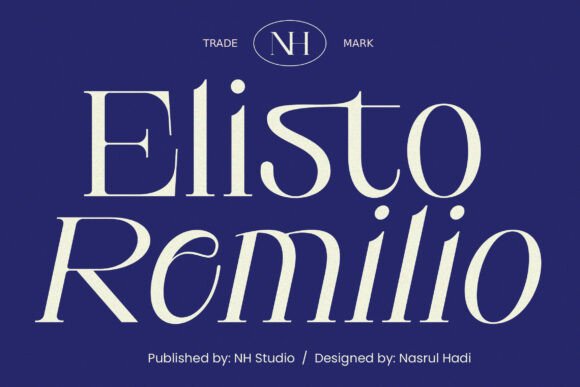
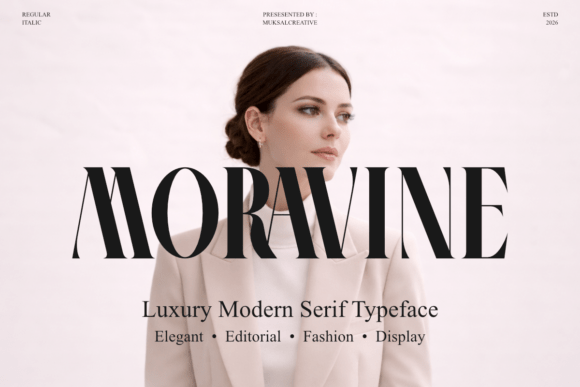
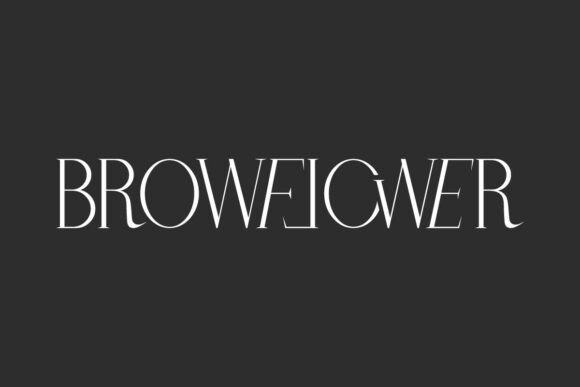
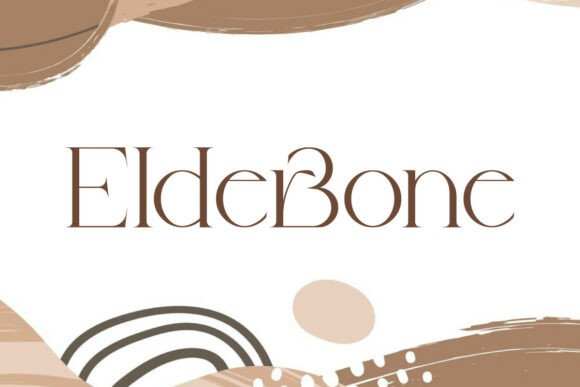
This isn't your average serif font. It’s a high-contrast typeface defined by slender, elongated lines and razor-sharp, elegant serifs that seem to cut through space with precision. The real magic, however, lies in its expansive toolkit. With a stunning array of custom ligatures and unique alternates, it allows designers to compose typography that feels truly bespoke. Imagine characters that subtly overlap, intertwine, and connect, creating a visual rhythm that’s both heritage-inspired and thoroughly modern. This isn't just about setting text; it's about crafting a visual melody that speaks of refinement and care.
Consider how this plays out in real projects. For a boutique hotel logo, the interlocking letters can form a monogram that feels both timeless and personal. For a high-end skincare brand, the delicate, intricate features of the letterforms can convey purity and precision without a single word of explanation. The font’s personality is one of controlled elegance, making it an impeccable choice for industries where brand perception is everything.
From Concept to Concrete Application
Theory is one thing, but where does this typeface truly shine? Its versatility across different mediums is a key part of its appeal. It’s a font that doesn't just sit on a page; it interacts with its environment, requiring thoughtful application to reach its full potential.
- Branding & Logo Design: This is its home turf. It excels at creating logo design marks for brand identity systems that need to convey exclusivity and taste. Think of a spa's wordmark or a fashion house's signature.
- Packaging Design: Gold-stamped on a thick, textured business card or embossed on minimalist product packaging, it adds a tactile layer of luxury. It’s perfect for cosmetic boxes, artisanal goods labels, and premium gift wrap.
- Digital Storefronts & Web Design: Used as a headline font on a website, it immediately sets a tone of curated sophistication. It pairs beautifully with soft, muted color palettes, organic textures, and ample white space, letting its features breathe.
- Editorial & Print Layouts: In magazine spreads or lookbooks, especially for editorial design in fashion or wellness, it can create dramatic, elegant headlines that anchor the entire page layout.
- Social Media & Marketing Assets: A single, beautifully set word or short phrase using this font can elevate an Instagram story or a Pinterest graphic, making the brand's visual language instantly recognizable.
- Invitations & Stationery: For wedding suites, event invitations, or luxury brand correspondence, it brings a level of formality and personal touch that generic fonts cannot match.
The key to using it effectively is understanding its role. It is a star player, not a background actor. It’s best used for headlines, logos, pull quotes, and short, impactful text blocks. Setting entire paragraphs in it would likely sacrifice readability, but as a strategic accent, it’s unparalleled.
Pairing for Purpose and Readability
No creative font is an island. The true test of a typeface's utility is how well it plays with others. Because this font has such a strong, distinctive personality, pairing it requires a bit of strategy. The goal is to create contrast that supports, not competes.
A classic and reliable approach is to pair it with a clean, geometric sans serif font for body text. The simplicity of the sans serif will provide a calm, readable foundation that allows the intricate details of the serif headlines to take center stage without visual fatigue. For a more modern, editorial feel, you might experiment with a complementary script font or even a handwritten font for accents, but this should be done sparingly to avoid a chaotic look.
Always test your pairings in context. Does the combination work on a mobile screen? Is it legible when printed on textured paper? Readability should always be your north star, especially for web design and longer-form marketing assets. Reviewing all the included font styles—like italics, different weights, or alternate characters—is crucial before finalizing a design system. This ensures you have the full toolkit for creating visual consistency across all brand touchpoints.
Making the Strategic Choice
Choosing a typeface like this is more than an aesthetic decision; it's a strategic one. It’s an investment in your brand's visual equity. The right modern typography can significantly improve brand recognition, as customers begin to associate that specific, elegant letterform with your quality and values.
Before you commit, ask yourself: Does this font's personality align with my brand's voice? Is my target audience likely to appreciate this level of detail? Will I use it across enough applications to justify the investment? For entrepreneurs and small business owners building a premium brand, a font like this can be the cornerstone that elevates every design asset from a business card to a website header, creating a cohesive and professional presentation that builds trust and engages a discerning audience. It’s a tool for those who understand that in the quiet space of subtle detail, the most powerful messages are often found.