Saltive: Where Vintage Warmth Meets Modern Polish
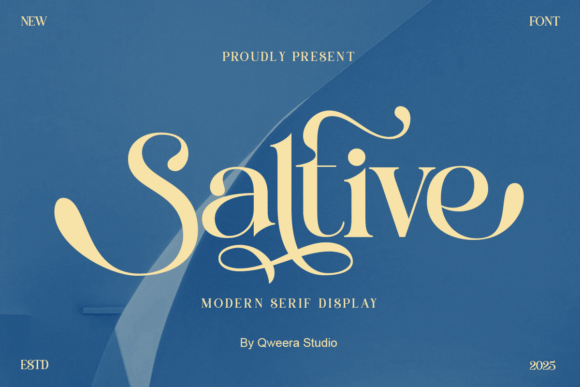
There’s a certain magic in a typeface that feels both familiar and fresh, like a favorite café discovered on a new street. The Saltive font captures this exact feeling. It’s a modern serif display typeface that doesn’t just sit on a page; it moves. With its soft curves, rhythmic motion, and distinctive teardrop terminals, Saltive brings a unique blend of vintage spirit and clean, contemporary execution to any project. For designers and creators, it offers a rare gift: the ability to inject genuine personality and warmth into work without ever compromising on professional clarity.
A Typeface with Character and Clarity
At first glance, Saltive’s charm lies in its details. The playful, liquid-like ligatures create a sense of organic harmony, making text feel almost handcrafted. But what truly sets this creative font apart is its thoughtful construction. Despite its decorative flourishes, Saltive maintains a bold yet approachable weight that ensures exceptional legibility. Your message remains front and center, beautiful and clear. This balance is crucial. Whether you’re designing a logo for a small business or laying out editorial content for a travel magazine, the font’s personality enhances rather than overwhelms your core communication.
This makes Saltive an exceptionally versatile design asset. It’s not just another premium font; it’s a tool for visual storytelling. The included numerous alternates allow you to shift the entire “vibe” of your text. Need a strictly professional header for a corporate report? There’s a style for that. Crafting whimsical, artistic invitations for a local bakery? A few clicks can transform the typography to match. This adaptability makes it a valuable staple for any diverse design library, saving time and ensuring consistency across varied projects.
Practical Applications for Real-World Projects
Where does Saltive truly shine? Its strength is in applications where brand identity and emotional connection are paramount. Think about the tangible world of packaging design. Imagine Saltive gracing a bag of artisanal coffee or a box of organic granola. The font’s earthy, approachable character immediately communicates craft, quality, and care, helping the product stand out on a crowded shelf. Paired with a grainy texture and a muted color palette, it can evoke a powerful 70s retro-revival aesthetic that resonates deeply with audiences seeking authenticity.
For logo design and brand identity, Saltive offers a distinctive voice. It can form the cornerstone of a visual system for a boutique hotel, a travel blog, or a specialty food brand. Its unique letterforms ensure high brand recognition, while its inherent readability makes it practical for everything from website headers to social media graphics. Consider using it for a blog title to set a welcoming, sophisticated tone, or for the masthead of a digital magazine focused on adventure and comfort. The font’s ability to feel both premium and inviting is a powerful combination for building audience loyalty.
Beyond branding, its applications are extensive:
- Marketing Assets: Create eye-catching posters, flyers, and digital ads that need to communicate warmth and quality instantly.
- Editorial Design: Use it for chapter titles, pull quotes, or magazine headlines to add a layer of artistic flair and guide the reader’s eye.
- Print Materials: Elevate business cards, letterheads, and thank-you notes with a touch of personality that feels personal and memorable.
- Merchandise & Invitations: Design standout t-shirts, tote bags, or event invitations that people are excited to own or receive.
- Digital Products: Enhance the perceived value of e-books, online course materials, or PDF guides with professional, engaging typography.
Making It Work: Pairing and Practicality
Integrating a display font like Saltive into a project requires a bit of strategy. The goal is to let its character enhance your work, not compete with it. A key piece of practical advice is to test your font pairings thoroughly. Saltive’s ornate nature means it often pairs best with a simple, clean sans serif font for body text. This contrast creates a visual hierarchy that is both dynamic and easy to read. Try pairing it with a geometric sans serif for a modern feel, or a humanist sans serif for something more organic.
Readability considerations are also vital. While Saltive is remarkably legible for a display font, it’s generally best suited for headlines, logos, and short bursts of impactful text rather than long paragraphs. Always view your design at the intended size and on the target medium—whether a phone screen or a printed poster—to ensure the decorative details hold up and the text remains accessible.
Before purchasing any commercial font, always review the included font styles and licensing. Understand what alternates, ligatures, and weights are included to ensure they meet your project’s needs. Also, confirm the license covers your intended use, especially if you plan to use it for client work, merchandise, or in a logo that will be trademarked. This due diligence is part of professional design practice and protects both you and your clients.
Ultimately, choosing a typeface like Saltive is about more than just aesthetics; it’s a strategic decision for your visual communication. It’s for the designer who understands that typography is a voice. It’s for the small business owner who wants their brand to feel as thoughtful as their product. And it’s for the content creator seeking to build a distinct and engaging visual world. By matching its personality to your project goals, you can leverage Saltive to build stronger visual consistency, deepen brand recognition, and foster genuine audience engagement through the power of beautiful, purposeful design.